
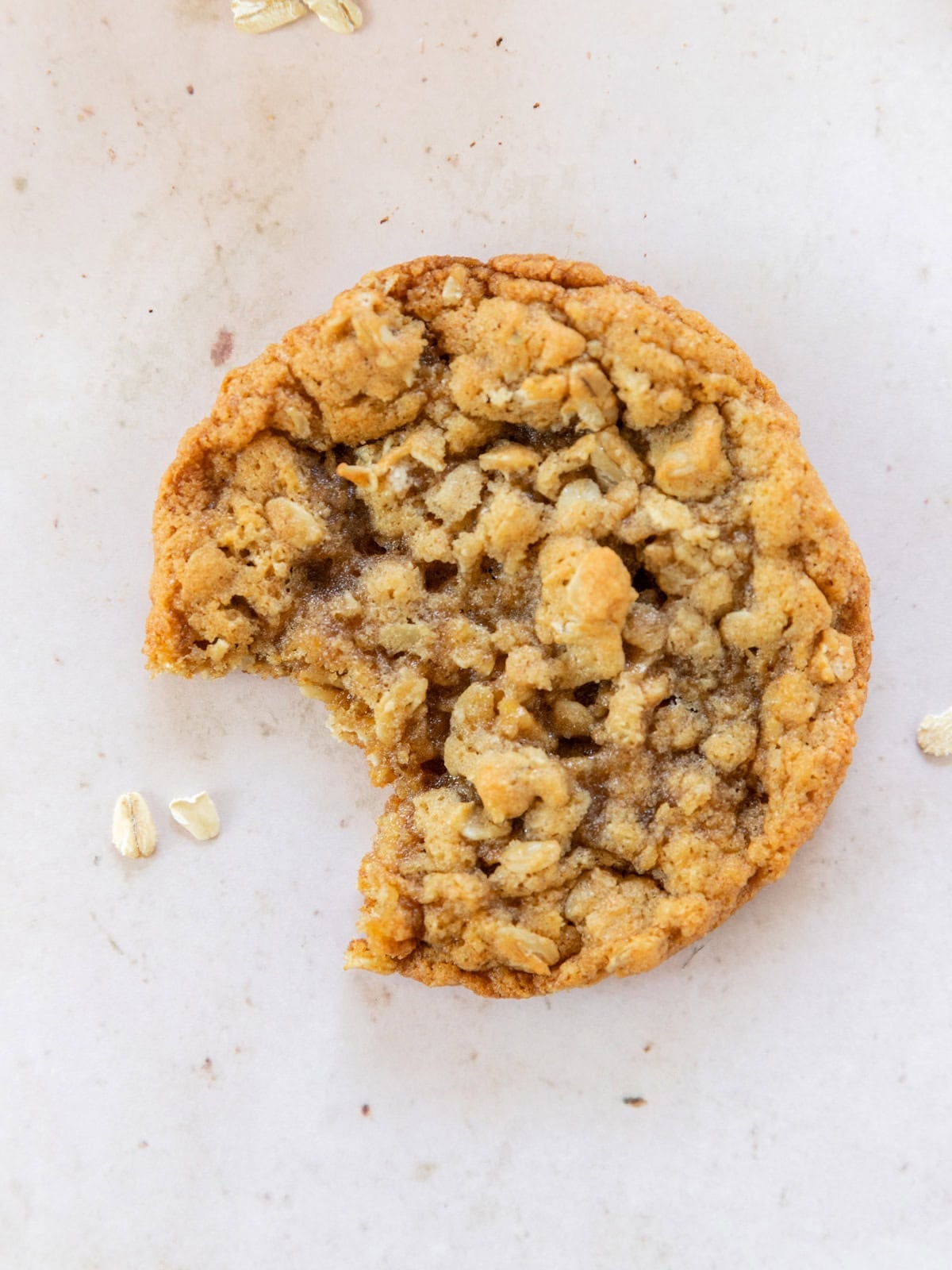
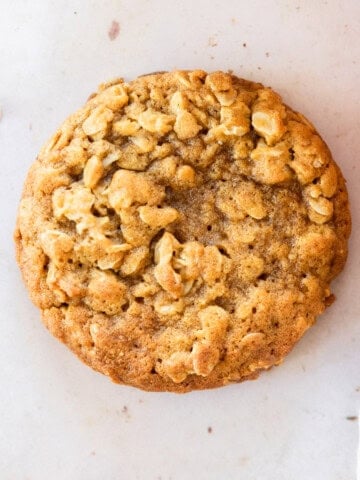
If you're craving soft and chewy oatmeal cookies with buttery flavor, cozy cinnamon warmth, and perfectly tender centers, you've landed in the right kitchen!
These are my go-to oatmeal cookies (and one of my most popular recipes among my friends and family) when I want something nostalgic, simple, and completely foolproof. They bake up bakery-style with pantry staples, no fancy equipment, and no raisins (unless you want them). Just soft centers, chewy edges, and the classic oatmeal texture we all love.
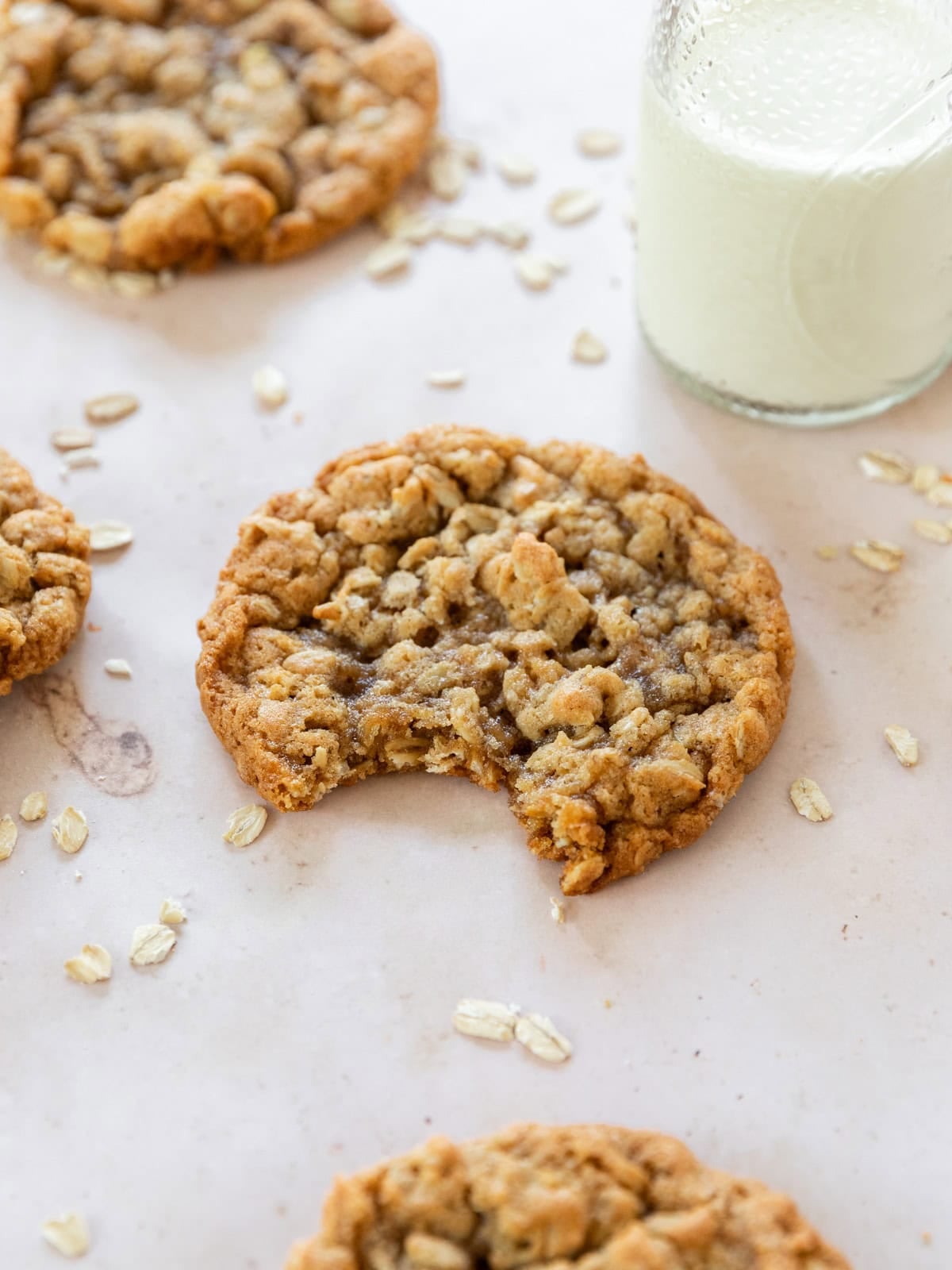
I'll walk you through exactly what makes oatmeal cookies soft, how to prevent dry or crumbly cookies, and how to keep them soft for days. Whether you're brand new to baking or have been baking for years, this recipe makes it easy to get perfect results every time.
If you're looking for more delicious cookie recipes check out my Homemade Chocolate Chip Cookies, Lavender Butter Cookies, or Cinnamon Roll Cookies!
Jump to:
What Makes Oatmeal Cookies Soft and Chewy?
Oatmeal cookies are a little different than your normal cookie because oats absorb moisture and add structure. If you've ever wondered why some oatmeal cookies turn dry or cakey, here's the quick answer:
Chewy oatmeal cookies need moisture (which the brown sugar will add), fat (from the butter), proper oats (rolled oats for best texture), and the right bake time.
Let's break it down:
Brown Sugar = Moisture and Chew
Brown sugar contains molasses, which locks moisture into the cookie dough, giving you a soft, chewy texture. Too little brown sugar creates dry cookies.
Butter Temperature Matters
- Room temperature butter creates lift and chew.
- Melted butter gives denser, chewier cookies that spread more.
- Browned butter adds a toasted flavor but can reduce chew because some of the water content has been removed.
Rolled Oats vs. Quick Oats
- Old-fashioned rolled oats create the chewiest, best structure for these cookies. Ideal for this recipe.
- Quick oats create a softer, less textural cookie that spreads more.
If you're searching for "can I use quick oats in oatmeal cookies?". yes, you can in a pinch, but rolled oats are ideal for chewy oatmeal cookies.
Bake Time Is Everything
Pulling the cookies out of the oven when the edges are just set (while the centers still look pale) creates that perfect soft and chewy middle.
Pro Tip: Cookies continue cooking on the hot sheet pan for 3-5 minutes after you pull from out of the oven.
Why You'll Love This Recipe
- The texture is elite. Soft centers with a chewy bite makes them satisfying without feeling dry or crumbly. Like my Sourdough Chocolate Chip Cookies.
- Oats make these cookies heartier so they're more filling than a plain sugar cookie. This Deep Dish Chocolate Chip Cookie is another hearty dessert!
- They stay soft for longer. Oatmeal cookies tend to hold moisture well so they're great to make ahead. These Apple Pie Cookies also stay night and soft.
- The combination of oats, brown sugar, vanilla, and cinnamon creates a warm, cozy flavor. My Chocolate Chunk Banana Bread also brings that warm, cozy vibe.
- They're super customizable. Eat them plain (even though they taste anything but plain) or add raisins, chocolate chips, cranberries, nuts, or coconut.
Ingredients
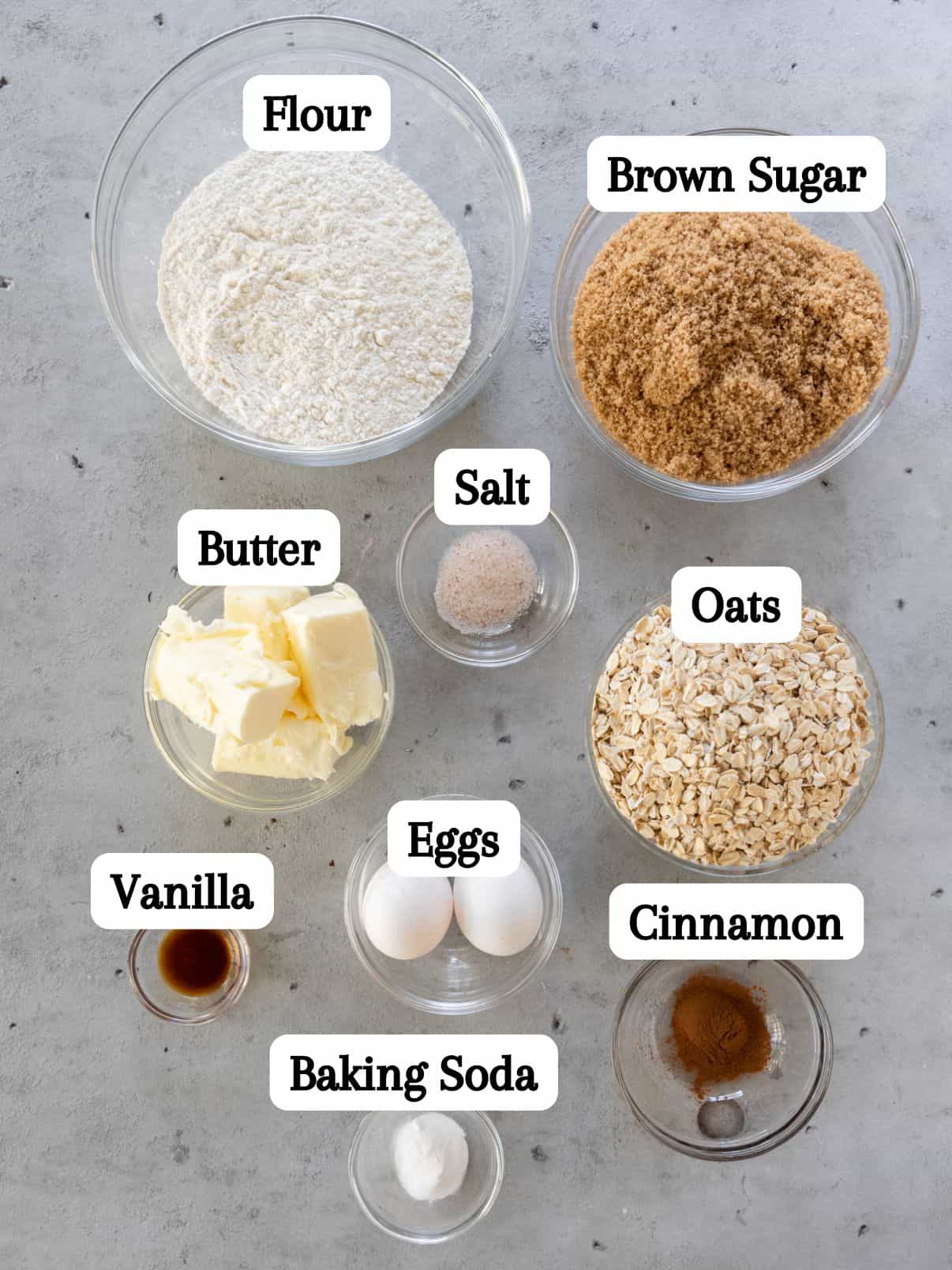
Ingredient Notes
- Brown Sugar: brings the extra moisture that will keep these cookies soft.
- Rolled Oats: creates a chewy texture and less spread overall.
- Vanilla, Cinnamon, and Salt: all three add flavor and depth to the cookies.
See the recipe card below for a full list of ingredients and measurements.
Substitutions and Variations
- Quick cooking oats can be used in place of rolled oats in a pinch. The texture will be softer.
- Add chopped chocolate or chocolate chips for added richness. If you love a rich dessert you'll love this Chocolate Brownie Pie.
- Mix in raisins or dried cranberries for a fruity flare. Try these Mini Apple Pies for another fruity dessert.
- Add walnuts or pecans for extra crunch. Pecans add crunch to my Pecan and Chocolate Chip Cookies.
This recipe has not been tested with other substitutions or variations. If you replace or add any ingredients, please let us know how it turned out in the comments below!
Step-By-Step Instructions
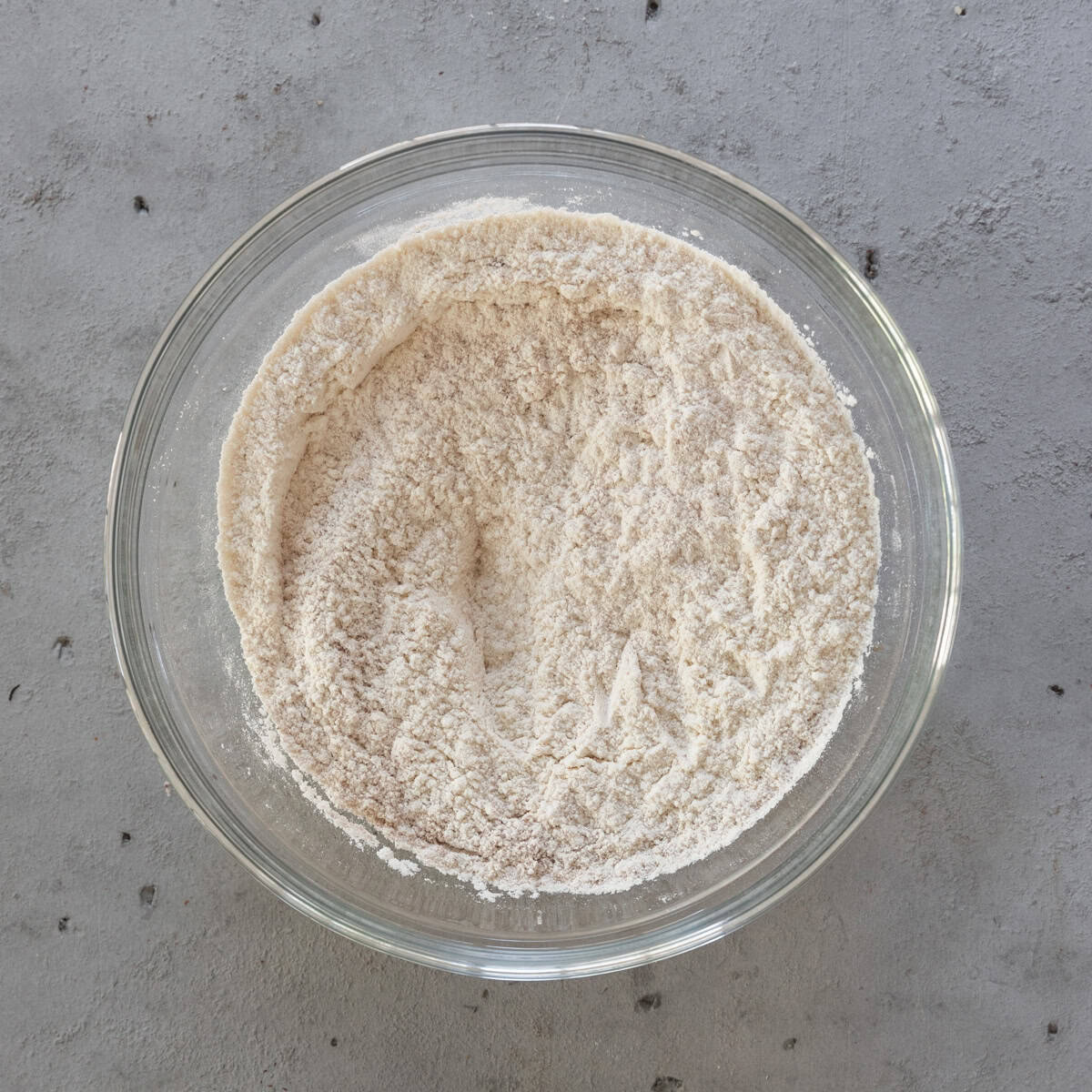
STEP 1: In a medium bowl combine the flour, baking soda, salt, and cinnamon. Whisk to combine.
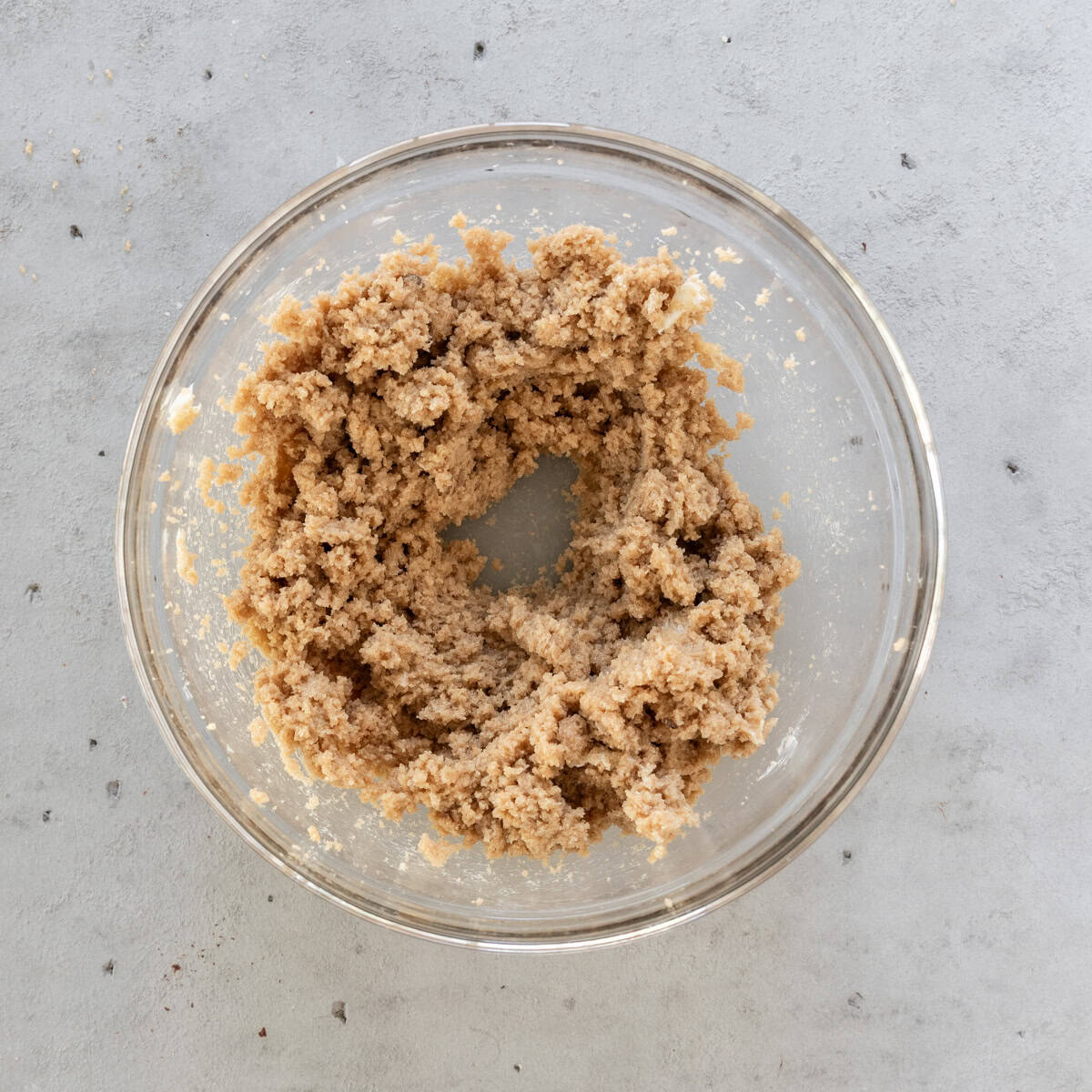
STEP 2: In a large bowl using a hand mixer or in the bowl of a stand mixer cream together the butter and brown sugar until light and fluffy.
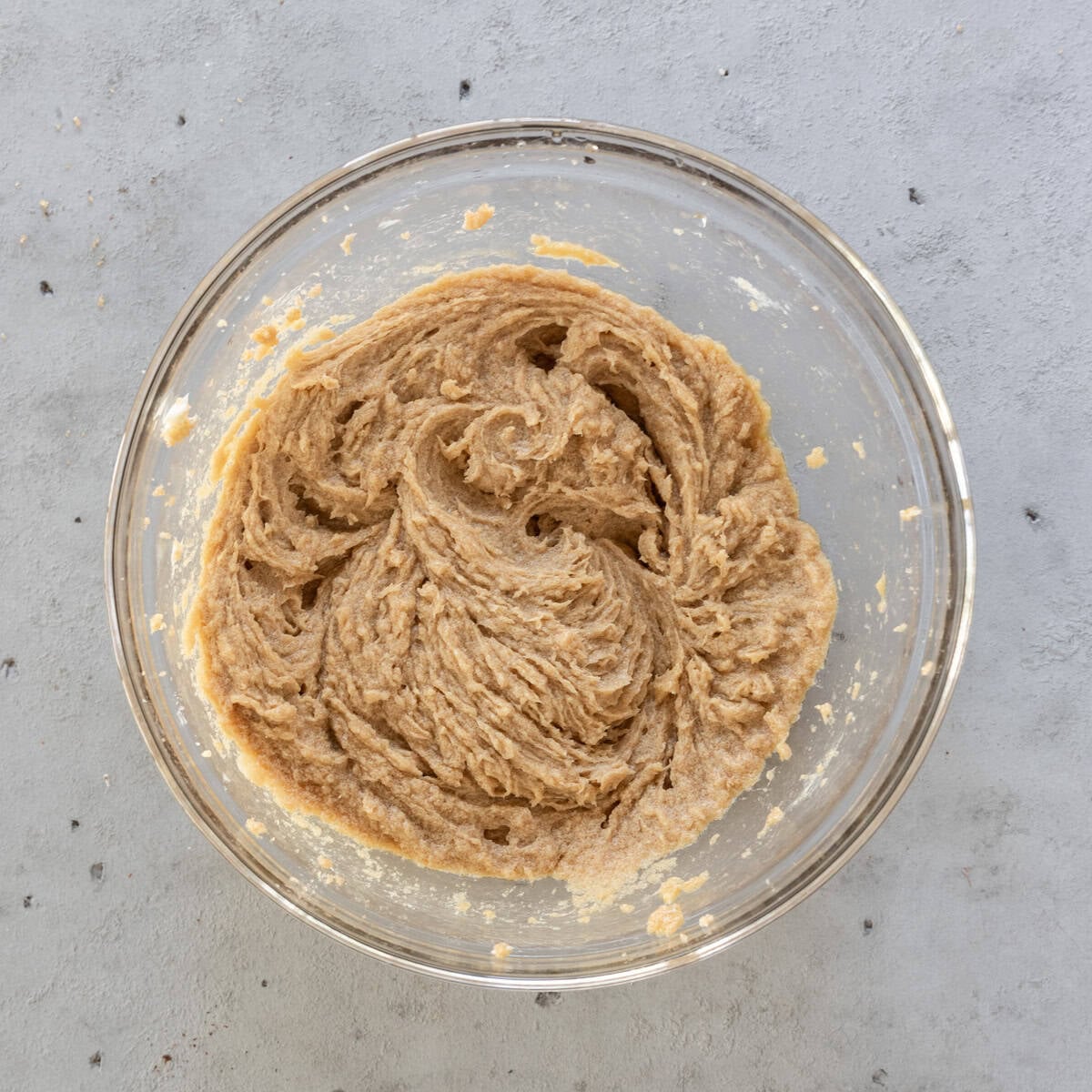
STEP 3: Beat in the eggs one at a time until they are fully combined. Add the vanilla and combine.
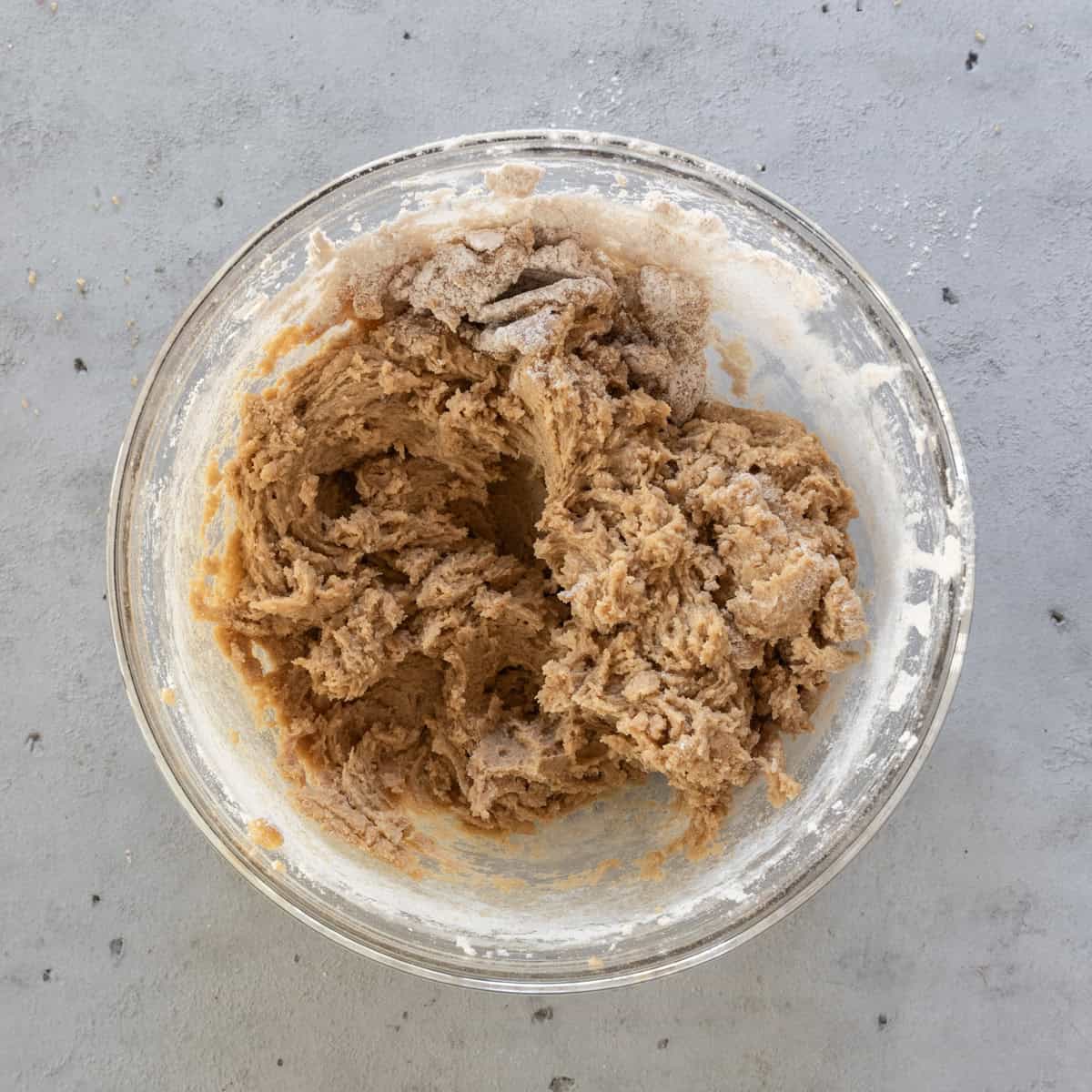
STEP 4: Add the dry ingredients to the wet ingredients and mix until just combined.
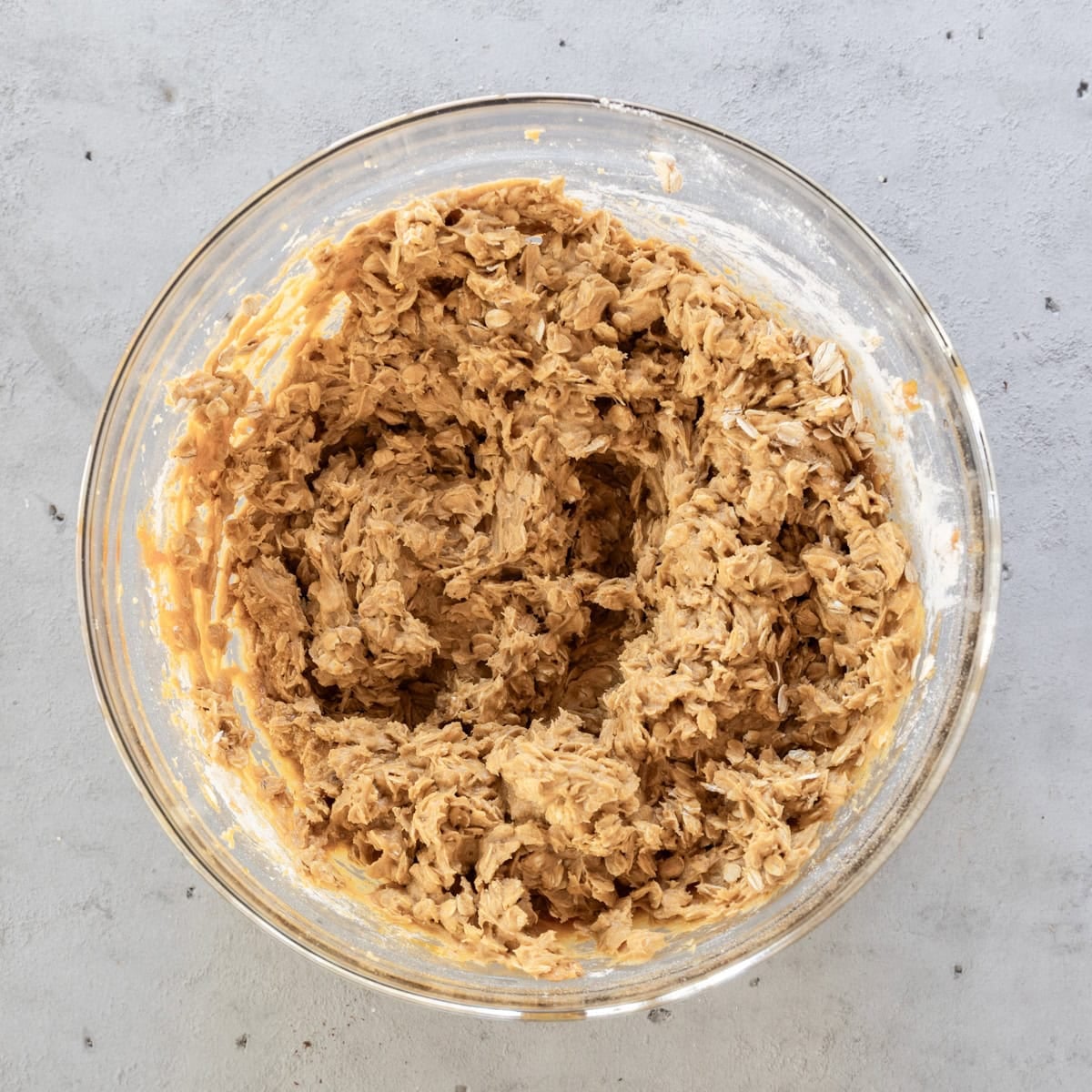
STEP 5: Mix in the oats until just combined. Be sure not to over mix. Cover the cookie dough. Chill for at least 30 minutes. If you love cookie dough you should try out my Edible Cookie Dough Recipe.

STEP 6: Preheat your oven to 375 degrees (F). Line a baking sheet with parchment paper or a silicone baking mat. Make scoops of cookie dough about 1 ½ to 2 tablespoons in size. Place at least 3 inches apart on the prepared cookie sheet. Repeat with remaining cookie dough.
STEP 7: Bake the cookies for 8 minutes for soft oatmeal cookies. Bake for 10 minutes for firmer cookies. Allow to cool completely on the baking sheet.
Expert Baking Tips
- Chill your cookie dough. It allows the oats to hydrate, creating a softer, chewier cookie.
- Use an oven thermometer. Most ovens run either hot or cold.
- Don’t use cold ingredients. This helps the dough mix evenly.
- Weigh your ingredients for accuracy, especially with flour.
- Use a cookie cutter to shape your cookies after baking. Shake a cookie cutter around the cookies while still hot for perfectly round cookies.
Troubleshooting Oatmeal Cookies
Why did my oatmeal cookies turn dry or crumbly?
- Over baking.
- Too much flour.
- Using quick oats instead of rolled oats.
Why did my cookies spread too much?
- Dough was too warm.
- Too much butter.
- Not enough flour.
Why did my cookies turn out too thick?
- Too many oats.
- Too much flour.
- Under-mixed butter.
How to Store, Freeze, and Make Ahead
- Room Temperature
- Store in an airtight container up to 4-5 days.
- Freezing Cookie Dough
- Scoop the dough, freeze on a baking tray, transfer to a freezer bag once frozen.
- Bake from frozen: add 1-2 minutes to bake time.
- Freezing Baked Cookies
- Wrap tightly and store up to 2 months.
Recipe FAQ's
Yes, but the cookies will have a softer texture and spread more during baking.
Store the baked cookies in an airtight container with a slice of bread or a marshmallow to retain moisture.
You probably added too much flour, over mixed, or over baked the cookies.
More Recipes You'll Love

fIf you tried these Soft and Chewy Oatmeal Cookies or any other recipe on my website, please leave a star rating and let me know how it went in the comments below. I so appreciate hearing from you!
Recipe

Soft and Chewy Oatmeal Cookies
Ingredients
For Oatmeal Cookies:
- 2 sticks (226 grams) unsalted butter softened
- 2 cups (426 grams) light brown sugar packed
- 2 large (100 grams) eggs
- 1 teaspoon vanilla extract
- 2 cups (240 grams) all-purpose flour
- 1 teaspoon baking soda
- 1 teaspoon salt
- 1 teaspoon ground cinnamon
- 3 cups (267 grams) rolled oats
Instructions
For Oatmeal Cookies:
- In a medium bowl combine the flour, baking soda, salt, and cinnamon. Whisk to combine.
- In a large bowl using a hand mixer or in the bowl of a stand mixer cream together the butter and brown sugar until light and fluffy.
- Beat in the eggs one at a time until they are fully combined. Add the vanilla and combine.
- Add the dry ingredients to the wet ingredients and mix until just combined.
- Mix in the oats until just combined. Be sure not to over mix. Cover the cookie dough. Chill for at least 30 minutes.
- Preheat your oven to 375 degrees (F). Line a baking sheet with parchment paper or a silicone baking mat. Make scoops of cookie dough about 1 ½ to 2 tablespoons in size. Place at least 3 inches apart on the prepared cookie sheet. Repeat with remaining cookie dough.
- Bake the cookies for 8 minutes for soft oatmeal cookies. Bake for 10 minutes for firmer cookies. Allow to cool completely on the baking sheet.
Notes
- Chill your cookie dough. This prevents overspreading
- The provided nutrition information is an estimate. The calorie accuracy is not guaranteed.
- Don’t use cold ingredients. The dough will combine much easier.



Leave a Reply